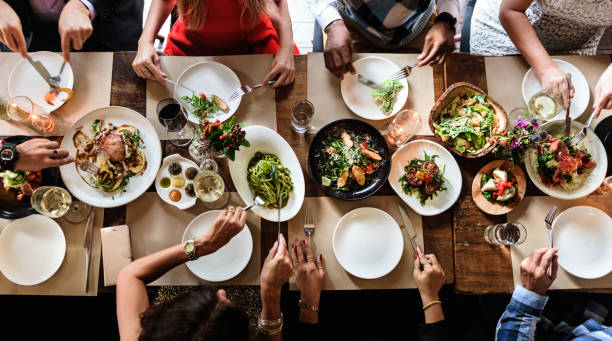
Mapping a Memorable Night Out: A Pragmatic Guide to Fine Dining Choices
Start by defining your purpose for going out, because intent shapes nearly every decision in the fine dining restaurant landscape. Are you celebrating, exploring, or benchmarking? Clarifying this lets you assess ambiance, pacing, and culinary focus without drifting. Some guests want quiet precision; others prefer theatrical energy. Write down two or three must-haves, then rank them. That prioritization becomes a filter when options feel overwhelming or timelines get tight.
Meanwhile, scope the reservation window early, especially for venues running limited-seat tasting formats. Lead times vary widely, and prime slots vanish first. Verify policies on deposits, arrival grace periods, and dietary accommodations as you book. If plans are fluid, consider a weekday or late seating to expand availability. Then maintain a calendar reminder for confirmation deadlines and cancellation terms so you don’t lose your table or incur avoidable fees.
Beyond that, calibrate expectations around menu structure. Fixed tasting paths emphasize narrative and progression; à la carte favors flexibility. A multi-course arc often unfolds with seasonal micro-shifts, so document any allergies precisely and submit them well ahead. In practice, concise notes help the kitchen refine substitutions without compromising balance. If you prefer control over portioning or pacing, ask about supplemental courses or lighter flights before you commit.
However, don’t overlook the dining room’s physical ergonomics. Table spacing, light level, and acoustic buffering affect conversation and focus. Inspect photos, but also read cues from seating maps when possible. Corner banquettes may reduce foot traffic; chef-facing counters raise engagement. If you’re hosting, align seating requests with your group’s social dynamics, and validate that any mobility needs can be met discreetly and reliably.
Often, beverage strategy determines comfort and cost. Decide whether to pursue pairings, build a bottle plan, or run by-the-glass explorations. Sequence your choices with the kitchen’s arc so acidity, weight, and temperature complement rather than compete. If abstaining or pacing slowly, ask about low-proof or spirit-free flights. A thoughtful dialogue with the team can surface precise options without pushing you beyond your threshold.
Then look at service style as a decision lever. Some rooms deliver quiet choreography; others embrace hands-on storytelling. Inspect cues like course explanations, cutlery resets, and refolds to gauge rhythm. If you value interaction, a Chef's Table Experience increases proximity to technique and intent. If you prefer privacy, request a table away from pass-throughs. Either way, communicate preferences upfront to help the staff stage the evening smoothly.
Next, consider the experiential arc for timing and stamina. Multi-hour tastings reward patience and curiosity, but they also require comfort planning. Dress for thermals and seating, buffer commuting time, and hydrate. Pace yourself through bread service and early bites so later courses land with clarity. Finally, if you plan a nightcap elsewhere, verify closing times and transit options to avoid rushing the final savory or sweet transitions.
Meanwhile, budget framing should be transparent for everyone attending. While no prices are listed here, you can still align on ranges for menu, pairings, and supplements. Split methods, gratuity expectations, and corkage policies should be validated in advance. If you’re hosting, establish a boundary privately with the captain. Clear agreements reduce friction and let the table focus on flavor, texture, and hospitality.
In practice, measuring value goes beyond the plate. Assess sourcing philosophy, menu coherence, and how each course advances the narrative. Texture contrast, temperature control, and seasoning precision signal discipline. Service recovery also matters: note how the team handles misfires or timing hiccups. A Fine Dining Experience earns loyalty when the room anticipates needs, protects momentum, and leaves you feeling both cared for and surprised.
Finally, plan the post-visit follow-up. Document highlights while they’re fresh, save seating notes, and track pairings you loved. If allergies were flawlessly handled, acknowledge that in feedback. When rebooking, reference prior preferences to validate continuity. Over time, these records help you refine targets, avoid rework, and select the right dining format for each occasion, ensuring future reservations deliver precisely the evening you intended.